Planning a cabinetry budget can feel difficult at the beginning of a renovation or new build. There are many decisions involved, from layout and materials to finishes, storage features, installation, and project timing.
The good news is that you do not need to have every detail figured out before speaking with a cabinetry dealer. A realistic budget starts with understanding what affects the overall investment and where your priorities matter most.
At Merit Kitchens, our authorized dealers help homeowners plan cabinetry that fits their space, style, and project goals. By starting the budget conversation early, you can make more confident decisions and avoid surprises later in the process.
Start with the full scope of your project
Before setting a cabinetry budget, think about the full scope of your project. Are you replacing cabinets in an existing kitchen, planning a full renovation, building a new home, or adding cabinetry to another space such as a laundry room, mudroom, bathroom, office, or bar area?
The size and complexity of the project will have a direct impact on your budget. A simple cabinet replacement will be different from a renovation that includes layout changes, appliance updates, new plumbing, electrical work, countertops, flooring, and installation.
Cabinetry is often one of the most important investments in a home project because it affects both function and everyday use. Looking at the full scope early helps you understand how cabinetry fits within the larger renovation plan.
Understand what affects cabinetry cost
Cabinetry pricing is influenced by several factors. The layout, number of cabinets, cabinet sizes, door style, material, finish, storage accessories, decorative details, and installation requirements can all affect the final cost.
A larger kitchen with more drawers, tall pantry cabinets, specialty storage, or detailed finishes will typically require a higher investment than a smaller, simpler layout. This does not mean every project needs every available feature. It means your dealer can help you decide where the budget will have the most impact.
Understanding these cost drivers early can make the planning process feel less overwhelming.
Prioritize how you use the space
A good cabinetry budget should be based on more than appearance. Think about how you use your kitchen or living space day to day.
Do you need better pantry storage? More drawers? A larger island? A place for small appliances? Better waste and recycling solutions? More functional corners? A mudroom drop zone? These practical needs should help guide your budget.
When you know what matters most, your dealer can help you make smart trade-offs. You may choose to invest more in storage solutions, durable finishes, or high-use areas, while keeping other parts of the design more streamlined.
Decide where to invest and where to simplify
Not every cabinetry decision carries the same value for every homeowner. Some details improve daily function. Others are more about style, finish, or visual impact.
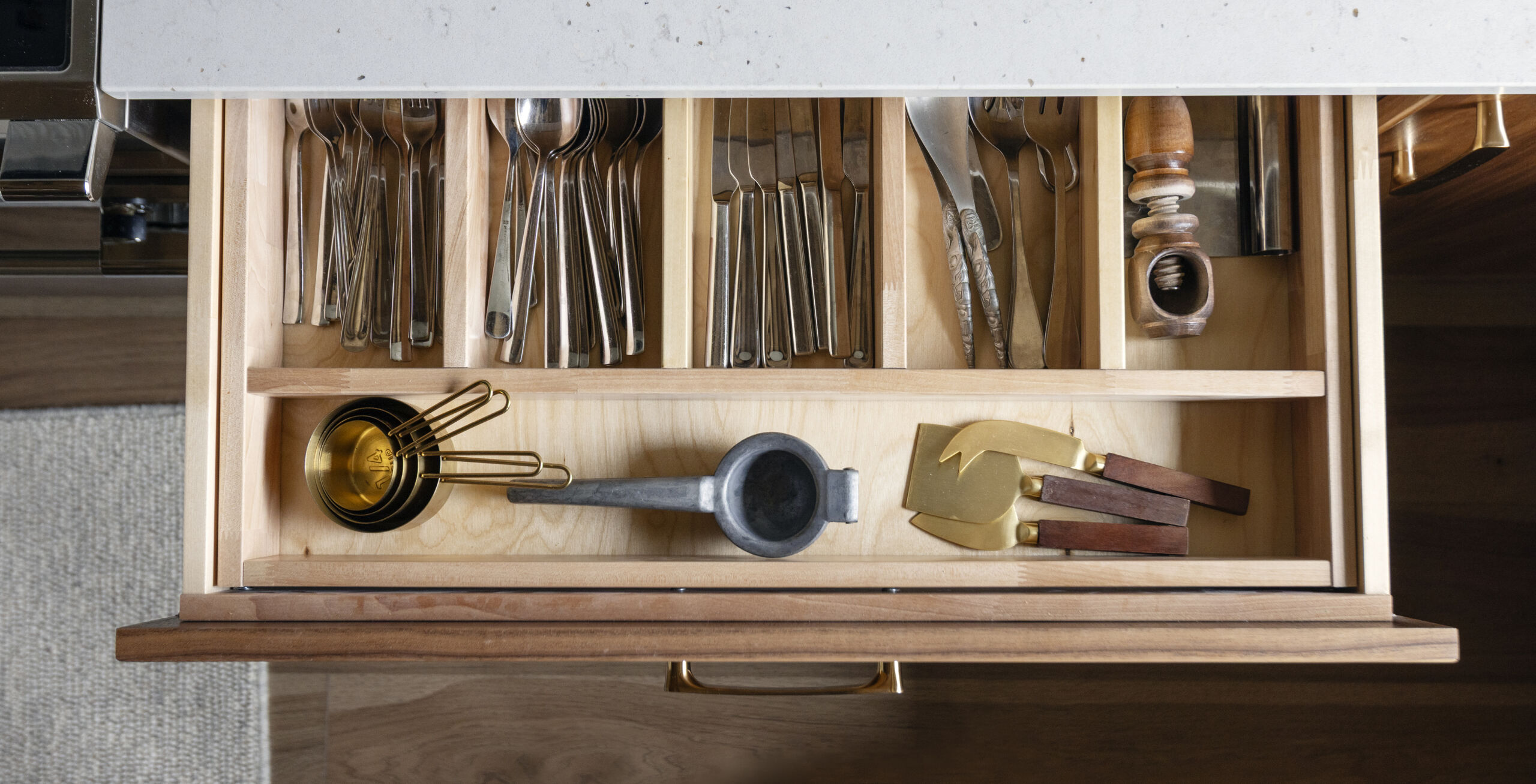
For example, you may want to invest in drawer storage, pantry organization, or interior fittings if function is a top priority. If the overall look is most important, you may choose to focus on door style, finish, and design details that shape the feel of the space.
There are also places where simplifying can help manage the budget. A more straightforward layout, fewer specialty features, or a carefully selected finish can help keep the project aligned with your overall plan.
The goal is not to choose the cheapest option. The goal is to make intentional choices that support the way you live.
Be honest about your budget range
It can be tempting to avoid sharing a budget too early, but giving your dealer a realistic range can make the process more productive.
A clear budget helps your dealer recommend options that make sense for your project. It also helps prevent time being spent on designs, finishes, or features that may not align with your overall investment level.
Your budget does not need to be exact at the first meeting. Even a general range can help guide the conversation and create a more efficient planning process.
Remember to plan beyond the cabinets
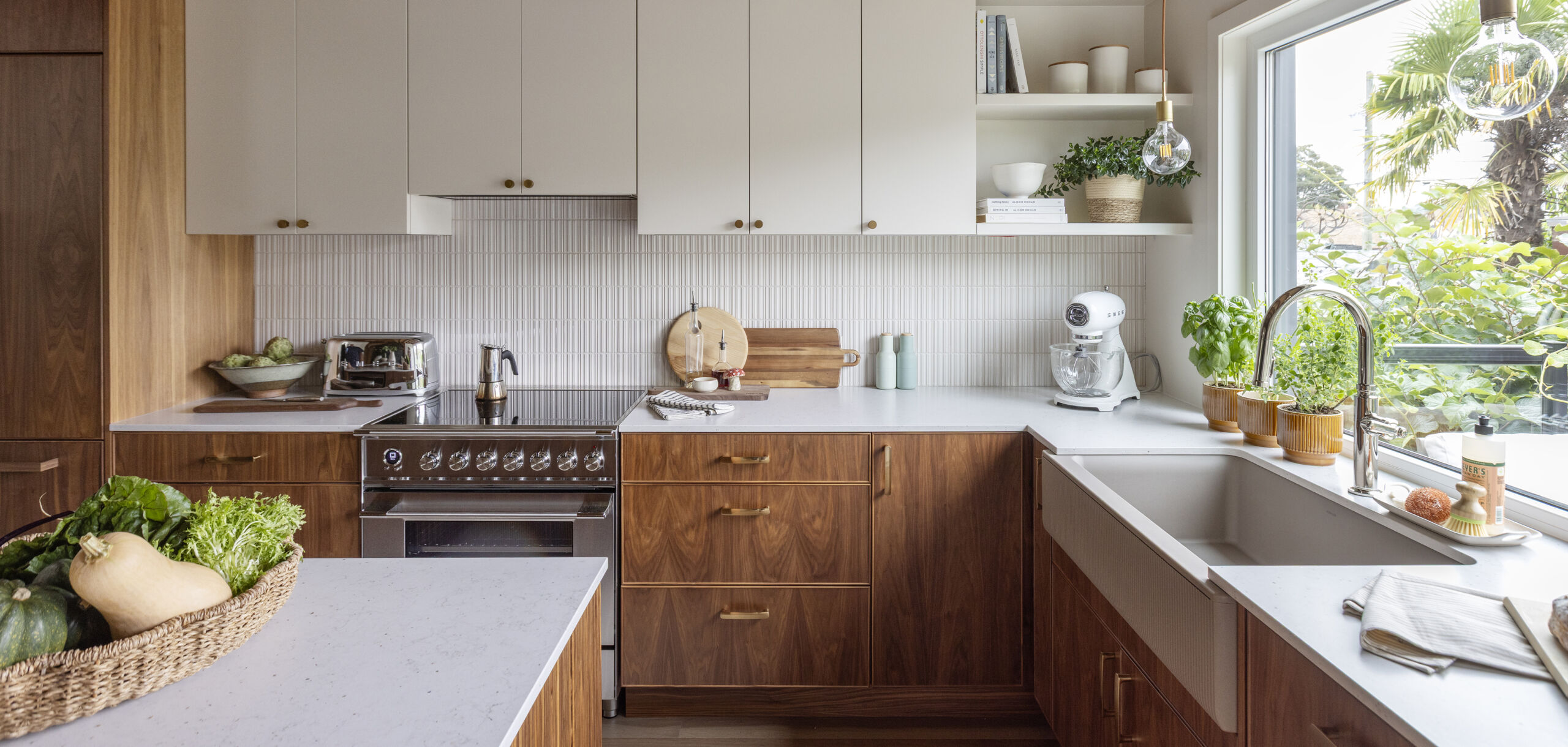
When planning a kitchen or home renovation, cabinetry is only one part of the overall project. You may also need to budget for countertops, hardware, appliances, plumbing, electrical, flooring, backsplash, painting, demolition, installation, and other trade work.
These items can affect your final budget and timeline, especially if your renovation involves changes to the existing layout.
Working with a dealer early can help you understand what is included in the cabinetry portion of the project and what may need to be planned separately.
Give yourself room for decisions
Cabinetry projects involve many selections. Door styles, finishes, storage accessories, hardware, layout details, and installation planning all need to be reviewed before the order is finalized.
Giving yourself enough time to make these decisions can help reduce stress and avoid rushed choices. It also gives your dealer time to guide you through the options and confirm important project details.
A thoughtful planning process often leads to a better finished result.

Work with a cabinetry dealer early
One of the best ways to plan your cabinetry budget is to connect with an authorized cabinetry dealer early in the process. Your dealer can help you understand product options, review your space, discuss priorities, and create a cabinetry plan that supports your goals.
They can also help explain which choices affect cost, where to invest, and how to align your cabinetry selections with the rest of your renovation or new build.
Plan with confidence
A cabinetry budget is not just about choosing cabinets. It is about understanding your project, setting priorities, and making informed decisions that support your home for years to come.
By starting early and working with the right dealer, you can create a cabinetry plan that balances function, style, quality, and long-term value.
Ready to start planning? Find an authorized Merit Kitchens dealer near you.